We could see the youngest Formula 1 World Champion in history crowned on Sunday, and Italians in particular would be delighted to celebrate such an achievement. In doing so, we would also have to acknowledge that four-wheel motorsport has changed forever — and not just because of batteries and 1,000 hp hybrid cars. Kimi Antonelli’s story represents another milestone, one that seemed destined to remain unique after Max Verstappen’s rise to the top around a decade ago. That was also when the FIA stepped in to amend some of the rules governing the Super Licence, in an attempt to prevent drivers from progressing too quickly at such a young age, even when they possessed extraordinary talent.
Whenever regulations concern very young people, the issue becomes particularly sensitive. As we often say here in Italy, “damned if you do, damned if you don’t”. In this case, however, we are pleased to support the FIA’s decision to send a message, at the very least. It is a reminder that these are very young people, still of school age, and that an excessive, all-consuming racing schedule can, in some cases, interfere with their education — among other things — during a particularly delicate stage of their development, when sport is not yet a profession.
The FIA’s decision states explicitly:
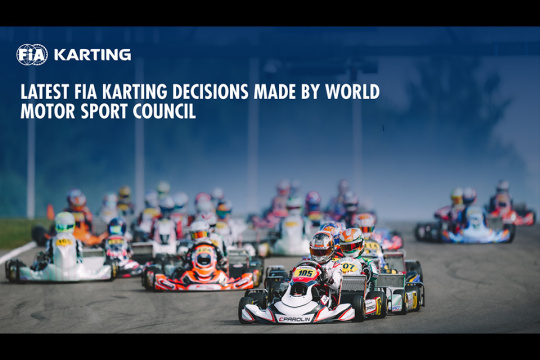
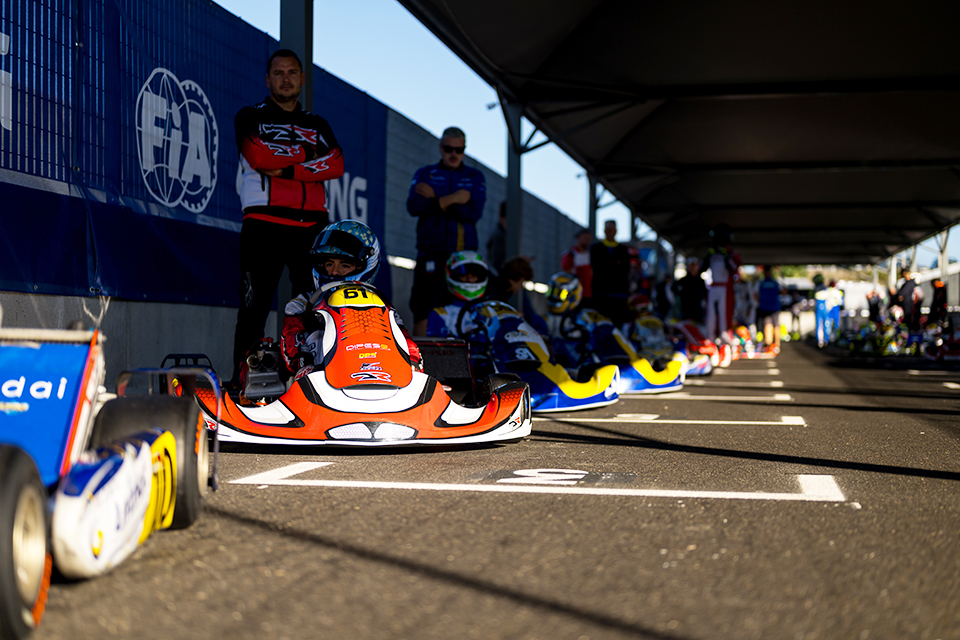
“Competitions entered onto the International Sporting Calendar will be limited to four days, including free practice. World Motor Sport Council approved this regulation to further promote the accessibility and affordability of karting whilst also minimising the disruption to the education of young drivers. There is an exemption to this restriction to allow ‘annual finals’ to run over more than four days where drivers have qualified during a previous series of events.”
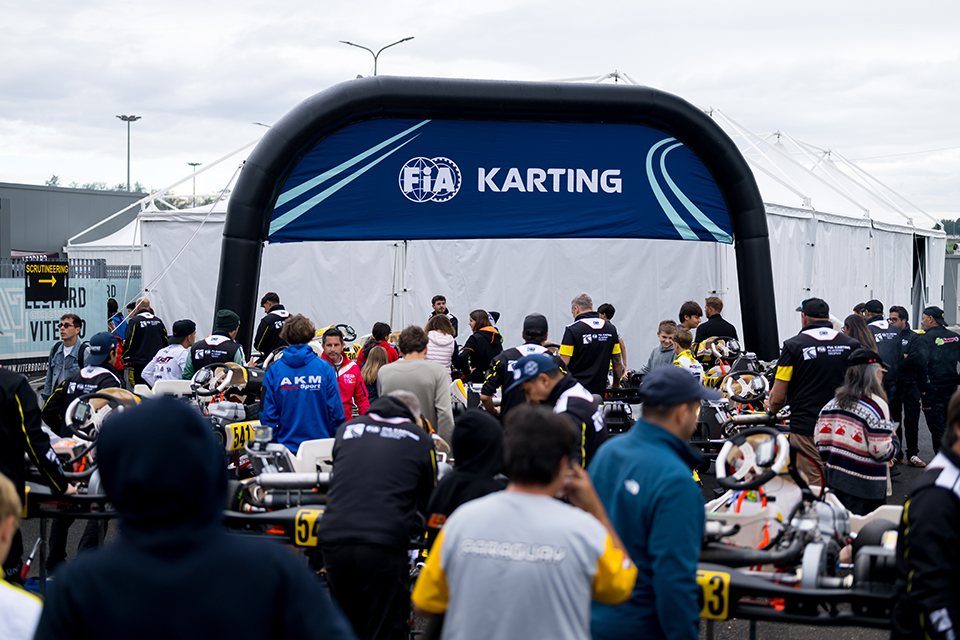
The decision comes against the backdrop of an extremely busy calendar, where drivers’ families and their wider support networks often opt to race as much as possible. It is therefore unlikely that the new rule will make a substantial difference on its own. That said, it could have an impact on how drivers select events to fit around their existing programmes.
With the rise of F1 academies, many drivers — partly for image-related reasons — choose to compete in one-make or entry-level series even after taking part in top-level FIA competitions. Perhaps a future FIA regulation could tighten the eligibility criteria for these championships, including one-make series and promotional categories such as OK-N, for drivers who have already competed in higher-level championships. This would be a return to an approach seen in the past, helping ensure that non-professional drivers compete against others at a similar level.
If the underlying principle is to encourage everyone involved in the sport to take greater responsibility for drivers who are, in reality, very young people going through a crucial stage of their development, then the rest of the work must first and foremost be done by those guiding them along the way — very often, quite simply, their parents.
Among the other decisions taken by the Council, the most interesting concerns an increase in the minimum weight for the KZ categories, following the mandatory installation of Anti-Lauch devices and black boxes on karts. The new minimum weights will be 172 kg for KZ, 177 kg for KZ2 and 182 kg for KZ2 Masters.
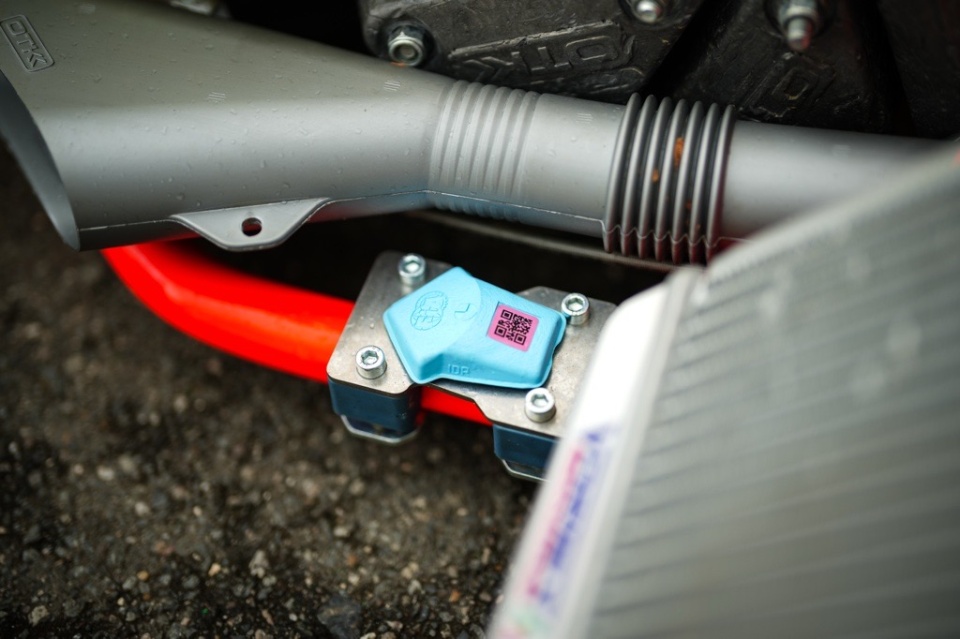
The Impact Data Recorder, mandatory from this year alongside the Anti-Launch Device, has led to an increase in the minimum weight for the KZ categories
https://www.vroomkart.com/news/46859/latest-fia-karting-decisions-taken-by-world-motor-sport-council