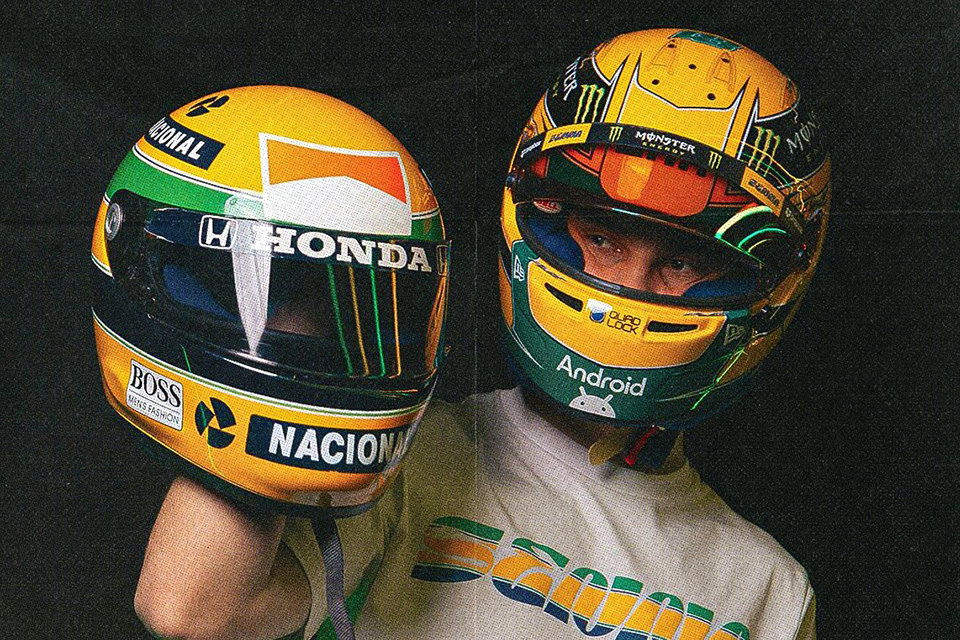
Most comparisons between drivers from different eras fail to consider a basic premise: comparing athletes active decades apart is impossible. This is especially true in a sport like Formula 1, which has undergone drastic and substantial changes in the 31 years since that fateful day in Imola. It makes little sense to debate Max Verstappen’s or Lewis Hamilton’s driving skills in relation to Senna’s, mainly because they’ve driven cars that are vastly different in terms of size, suspension, tires, engines, and electronics. In fact, it’s worth noting that some champions of the past, due to their driving style and technique, might have struggled significantly to adapt to today’s cars. Consider Senna’s famous use of “blipping” the throttle mid-corner — quick stabs of the accelerator to gauge grip levels before accelerating out of the turn, regardless of whether the wheels were perfectly aligned (think of all those spectacular countersteers and pole positions before the concept of “track limits” even existed).
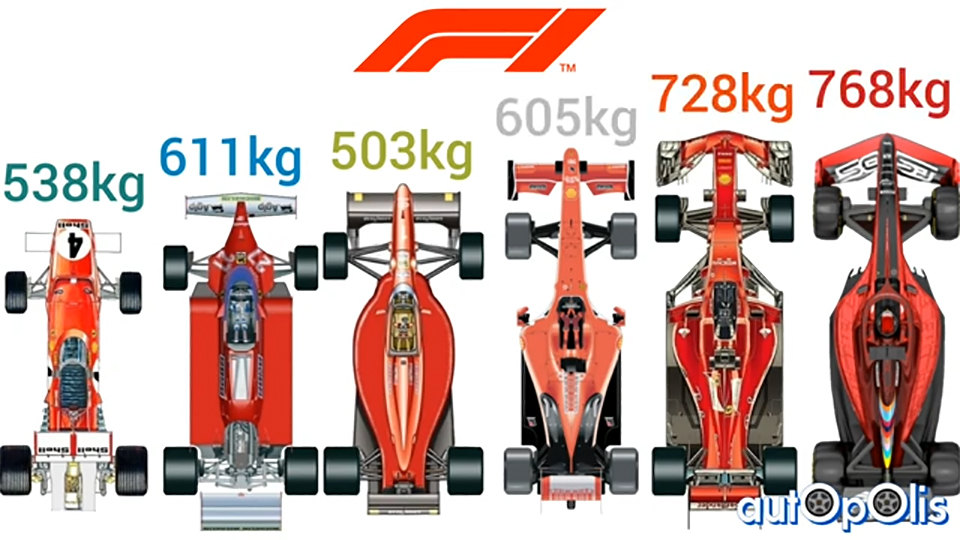
The dimensions of Formula 1 cars have changed drastically throughout the sport's history (source: Autopolis), which makes it difficult to compare drivers from different eras.
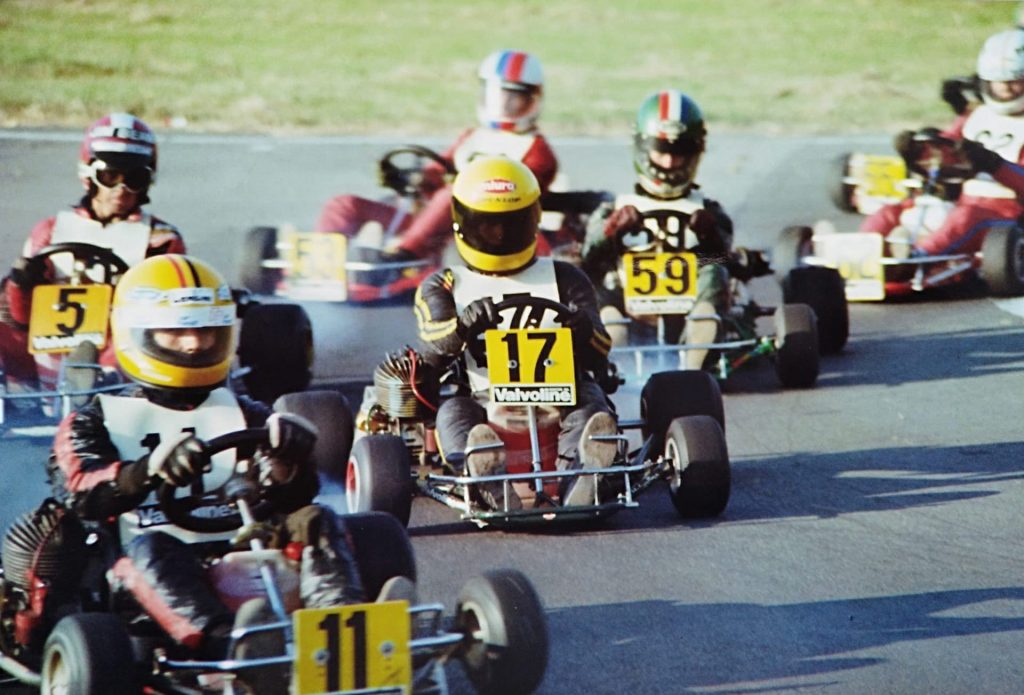
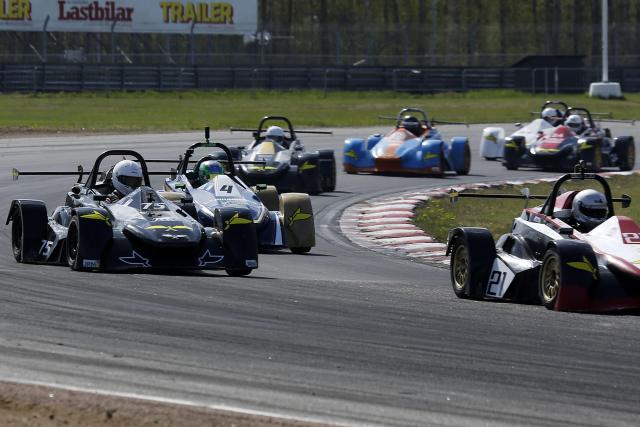
In the ’80s and ’90s, there were no simulators to refine perfect driving lines. The only experience drivers could gain came from karting and junior formulas — ultra-light 100cc karts and small 450 kg, 200 hp single-seaters like the Ralt RT3 that Senna raced in the 1983 British F3 Championship — and won. For context, today’s Formula Regional cars weigh 500 kg with about 270 hp, while modern F3 machines deliver around 380 hp at a hefty 700 kg. You do the math.
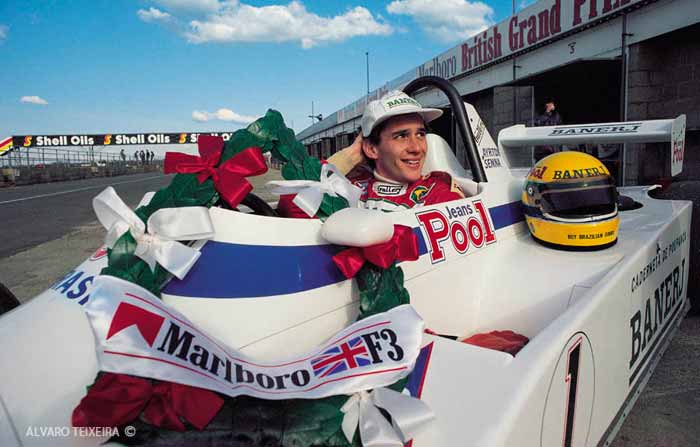
Senna, British F3 Champion, the same year he also won the Macau Grand Prix on his debut
Sticking with comparisons that shouldn’t be made, the Formula 1 car in which Senna won his first Grand Prix in 1985, the Lotus 97T, was 4.3 meters long, weighed just under 600 kg, and had around 800 hp — making it more comparable to a current Formula 2 car (which has slightly less power, is a bit heavier, and about a meter longer). While today’s F1 drivers occasionally take old F1 cars out for exhibition laps, we will never see Senna behind the wheel of a nearly six-meter-long F1 car like the ones Verstappen drives today.
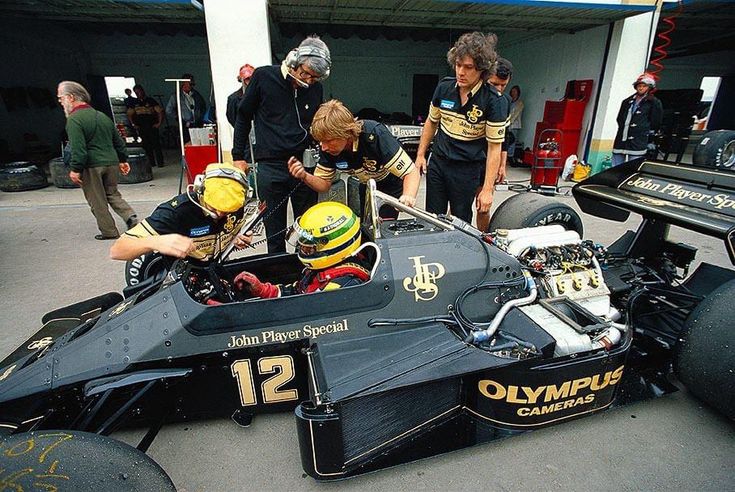
Lotus 97T (1985)
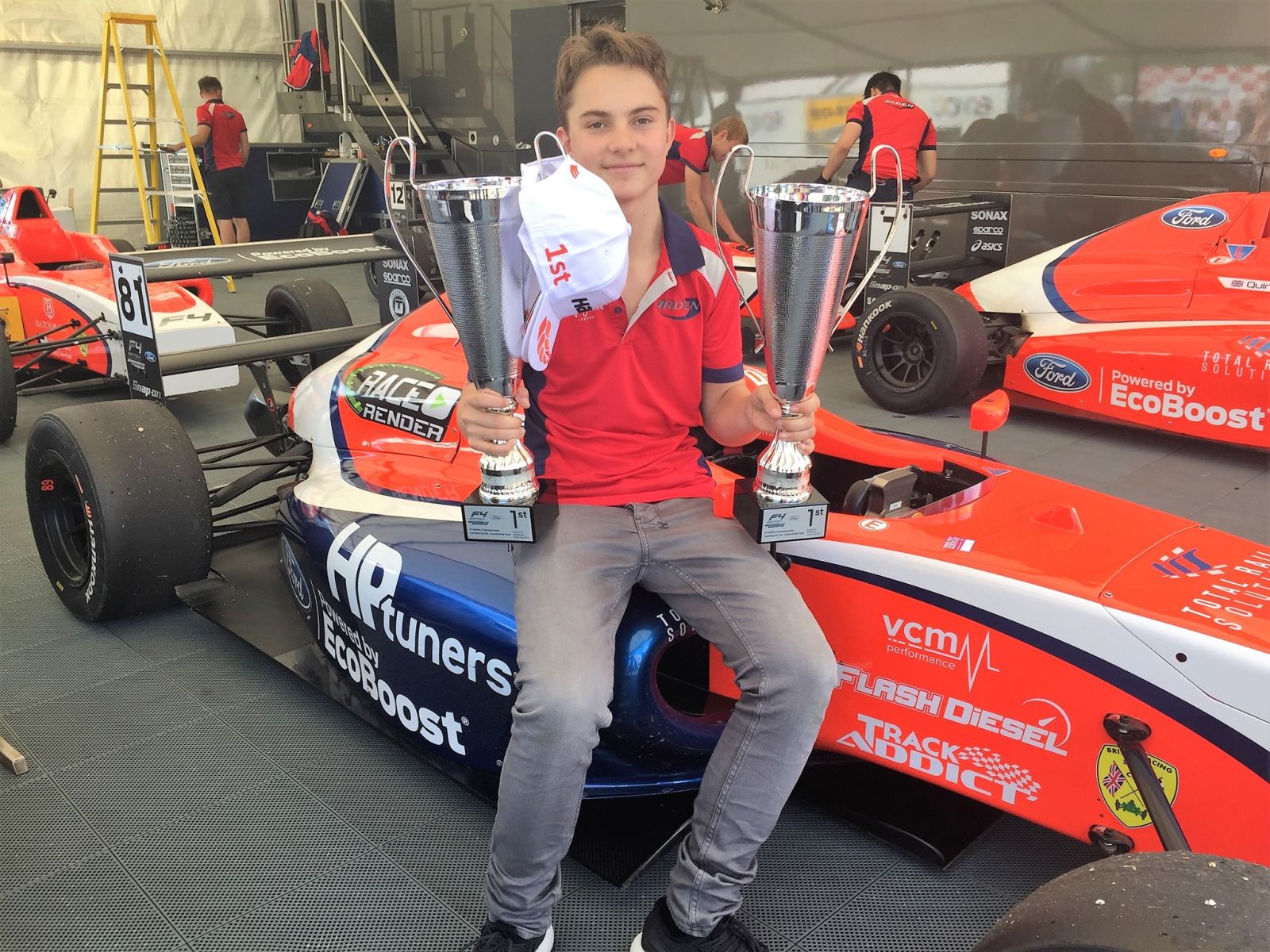
What we can compare, however, are the personal stories and early career paths in the junior formulas — and this is where Oscar Piastri, the new rising star of Formula 1, shares more in common with Ayrton Senna than others might. Both left their home countries (Senna from Brazil, Piastri from Australia) to settle in Europe, far from home, and began karting in Italy — which has been a global hub for the sport since the 1980s: Senna with Dap and Italian chassis, Piastri with Ricky Flynn, racing under a British team with Italian equipment during his single FIA karting year. Both debuted in single-seaters in the UK — Senna winning in Formula Ford, Piastri in F4 — then moved to F3, each winning the title in their debut year (Senna in the British championship, which back then had a very different reputation, and Piastri in the “World” championship). Piastri then went on to win Formula 2 in his first year, a series Senna skipped altogether, as after also dominating Macau in that magical 1983 season, he got an early call-up to Formula 1.
Interestingly, both were enthusiastic (and competitive) model car racers — a hobby shared by many drivers — and, last but not least, there’s a curious connection in their roots: both have Italian ancestry, clearly evident in the sound of their surnames (Campania, Sicily, and Tuscany for Senna; Tuscany for Piastri).