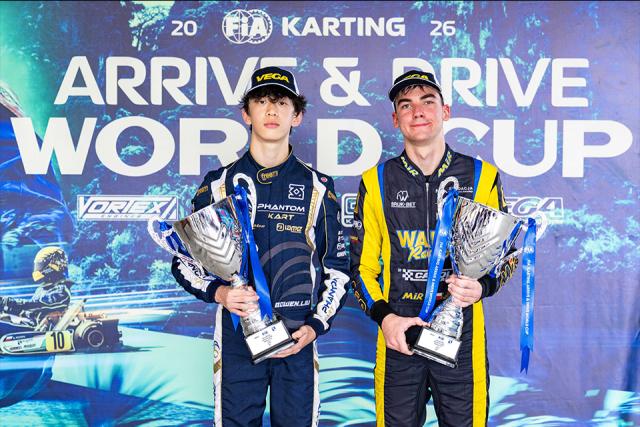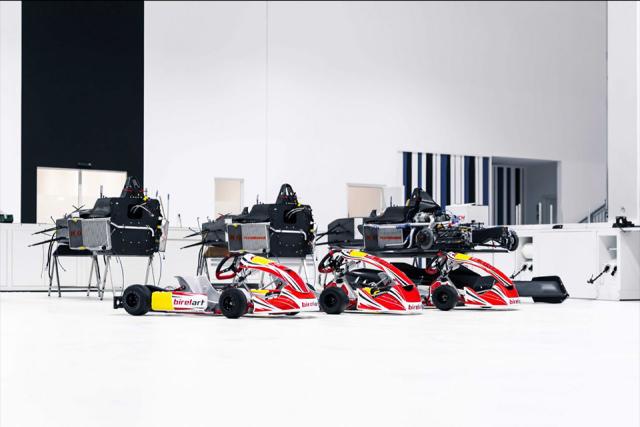
The latest development came on 19 November 2026: Sodikart is changing hands between investment funds. Siparex, which acquired a majority stake in June 2023, has entered into exclusive negotiations to sell control of the company to Latour Capital. In just three years, the Nantes-based group has grown its annual revenue from €80 million to more than €125 million. It is a good example of how this business works: an investment fund comes in, helps grow the company and, after a few years, sells it on to another investor.
What is a Private Equity fund?
A private equity fund raises capital from institutional investors such as pension funds, insurance companies and banks, and invests it in privately held companies. It typically acquires a majority stake or a significant shareholding, works alongside the company's management team and then sells its investment after four to six years, ideally at a higher valuation. Rather than relying on dividends, the fund makes its money by increasing the value of the business. To achieve this, it generally focuses on three main areas: growing revenue through new markets and products, improving organisational efficiency and profit margins, and acquiring complementary businesses to build a larger group. A significant part of the acquisition is often financed through bank debt, which the company subsequently repays using its cash flow. For a family-owned business, bringing in a private equity investor can often solve two problems at once: succession planning and the lack of capital needed to expand internationally. In karting, it is not unusual for the founding family to retain a minority stake and remain involved in the day-to-day running of the business.
Why motorsport appeals to Private Equity
The main reason is that, over the past decade, motorsport has become a more predictable business. Broadcasting rights, sponsorship deals and hospitality generate recurring revenue streams, often secured through long-term contracts. In Formula 1, the budget cap introduced in 2021 has helped transform teams from cash-burning operations into businesses capable of generating profits. There are other reasons why the sector has become increasingly attractive. The audience, for instance, has grown considerably. Series such as Drive to Survive and the expansion of streaming platforms have brought in younger viewers and a larger American audience, creating new opportunities for sponsors. At the same time, motorsport brands benefit from a strong identity and a sporting heritage that translates directly into commercial value. A helmet, racing suit or chassis with a World Championship pedigree can command higher prices and better margins. The technical side of the industry is equally appealing. Products such as brakes, suspension systems, tyres and electronics require specialised expertise, involve significant barriers to entry and face relatively limited competition. These characteristics make it difficult for new players to establish themselves. Meanwhile, the leisure side of karting is opening up further opportunities. Indoor and electric rental facilities are becoming an increasingly popular urban entertainment option, generating regular revenue not only from kart rentals but also from spare parts, maintenance and software.
Finally, sport itself has become an established investment asset class. Specialist funds such as Arctos, Otro Capital and RedBird have emerged with a specific interest in sporting businesses, seeking returns that are less directly tied to traditional financial markets.
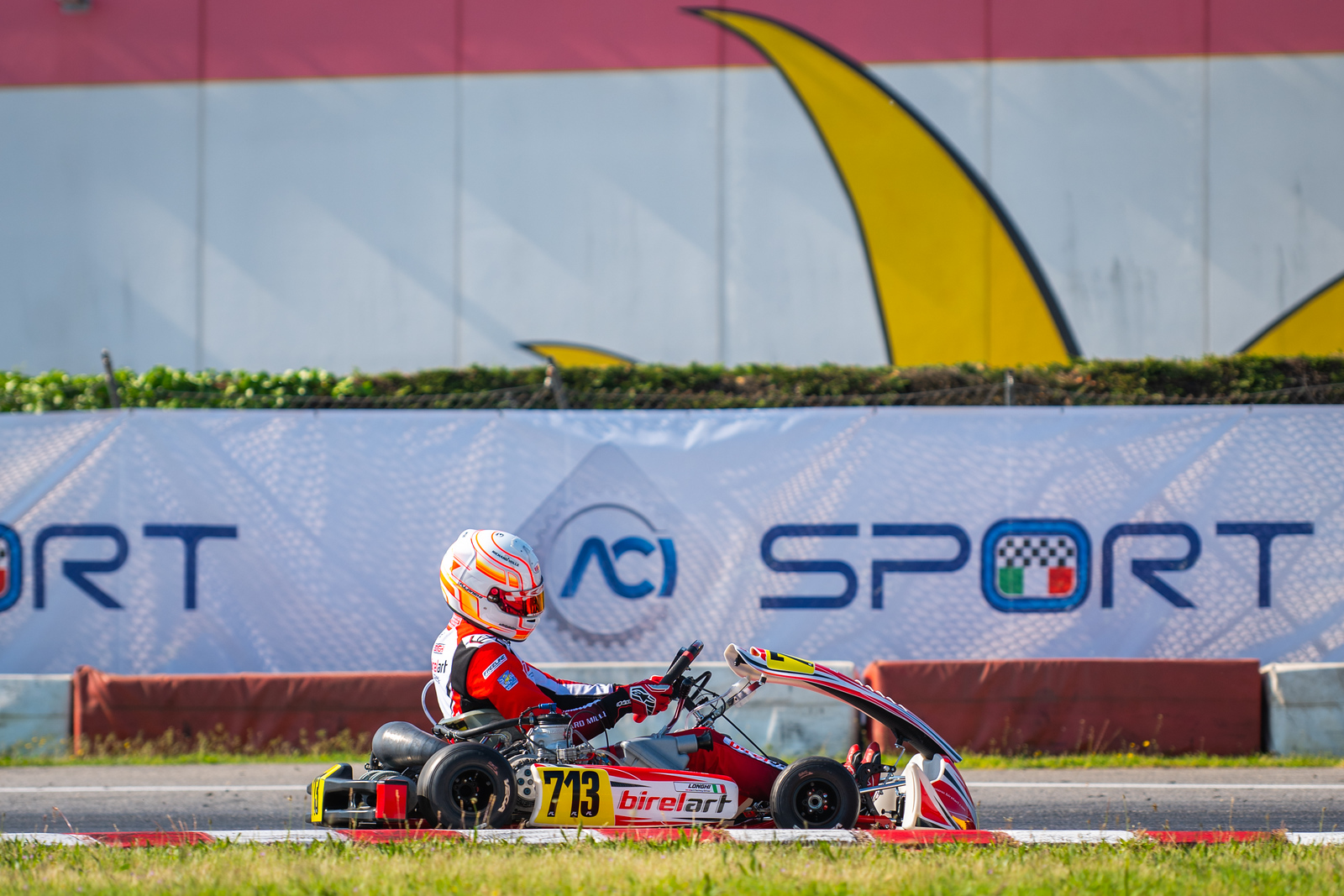
Birel ART, one of the most prestigious racing teams in karting history, combines its racing activities with a significant industrial presence in the rental sector, a key driver of its growth
The deals in karting
In all the recent cases, private equity investors have targeted leading companies with strong brands and an established presence in the rental segment, currently one of the fastest-growing areas of the industry. The strategies they have outlined are remarkably similar. Expansion into North America is a priority, as is the development of electric and indoor rental karting. Another key objective is to bring complementary businesses together under the same corporate structure. OTK, for example, has opportunities to create synergies between chassis and tyre activities, while Sodikart can benefit from integrating electronics and software into its wider business.
What motorsport can teach us
Since 2010, most private equity investments in motorsport have performed well. Those that have struggled tend to share a common problem: excessive debt used to acquire a business selling directly to consumers, just as the market begins to slow down. Dainese is one of the most frequently cited examples: following the sales boom during the Covid period, the motorcycle market slowed, inventories began to build up and the debt taken on to finance the acquisition became too heavy a burden. The brand itself, however, did not disappear: its creditors took control and recapitalised the business. The lesson for karting is straightforward. Companies with recurring revenue streams, such as spare parts, rental operations and services for track operators, are better equipped to withstand difficult periods than those relying almost entirely on sales of new products.
The opportunities
For karting, the arrival of private equity brings two things above all: capital and a more structured approach to business management. Both have traditionally been in short supply among many family-owned companies in the sector. Product development is an obvious area where additional investment could make a difference. Electric karts, safety electronics, timing systems and software all require R&D budgets that a single family-owned business may struggle to sustain. The same applies to international expansion. North America, the Middle East and Asia offer significant opportunities, but establishing a presence in these markets requires subsidiaries, warehouses and after-sales support networks. These are expensive operations to set up using internal resources alone. There is also a question of business continuity. A private equity investment can provide a solution to generational succession without forcing a sale to a foreign competitor, while allowing the founder to remain involved. At the same time, the growing focus on rental karting could have positive effects on the sport as a whole. As karting centres expand, so does the potential base from which future competitive drivers may emerge. Finally, the arrival of financial investors can help companies strengthen their internal structures. Audited financial statements, management control systems and clearly defined procedures may not be particularly visible to customers, but they make businesses more reliable partners for suppliers, banks and the wider industry.
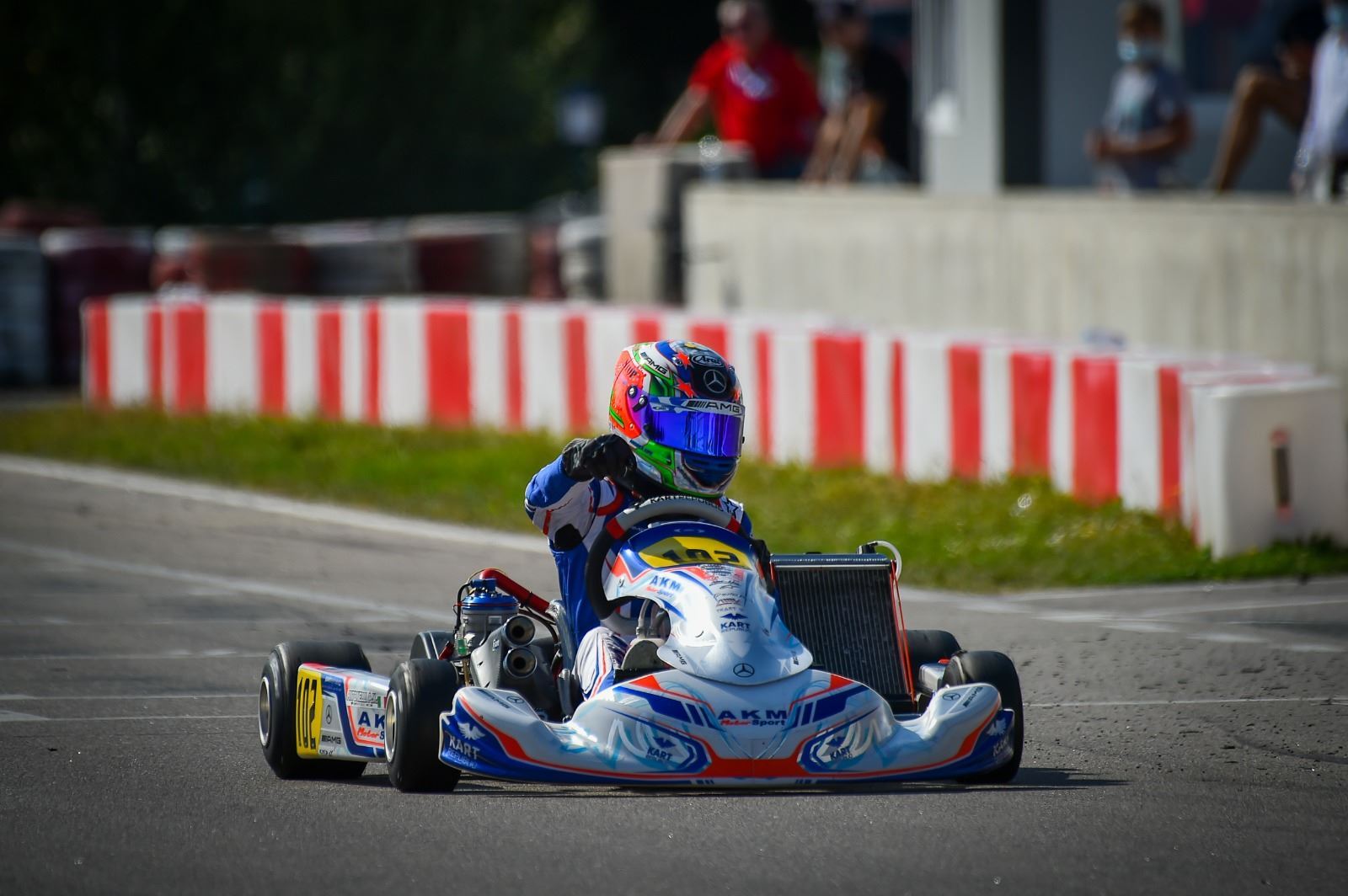
The world's attention is increasingly turning to karting, also in recognition of its ever-closer ties with Formula 1
The next five years
The most likely scenario is a more consolidated karting industry: a handful of major groups covering chassis, engines, tyres, electronics and tracks, alongside smaller, independent specialist manufacturers. Many of the funds that entered the sector between 2022 and 2026 are likely to exit by 2030, selling their stakes to another investment fund, an industrial group or, in the case of the largest businesses, through a stock market listing. Each change of ownership will represent another important test of the business. Electric and indoor rental karting will probably remain the main growth engine. This is where all the major funds see considerable potential. If entertainment venues continue to spread across urban areas, manufacturers of karts, track infrastructure and management software will benefit from stable, recurring revenue. However, the future of the competitive side of karting will depend on a different set of factors, starting with sporting regulations. Entry costs, homologation requirements and age limits in international categories have a direct impact on participation levels. Fewer drivers competing ultimately means fewer chassis and spare parts sold.
Financial management will also be crucial. Acquisitions financed with high levels of debt are more vulnerable if interest rates remain elevated or sales begin to slow. Dainese provides a clear example of the risks involved. Equally important is the role played by the founders themselves. In karting, technical expertise and relationships with teams and drivers are closely tied to individuals. Businesses in which the founding family remains involved are more likely to preserve their identity and maintain their competitive standing on track. North America is another market that deserves close attention. It is one of the key territories targeted by Sodikart and OTK, and the ability to establish a strong presence there could determine which company emerges as the world's leading karting group. But there is one factor that remains particularly important for competition-focused brands: results on track. Championship titles are still their most effective form of advertising. An investment fund that cuts spending on racing activities risks undermining precisely the value it originally paid to acquire.
The bottom line
The arrival of private equity is neither a threat nor a guarantee of success. It is a sign that karting is increasingly being recognised as an industry with a future, capable of attracting capital that, until just a few years ago, was largely directed towards Formula 1 or major motorcycle brands. Much will depend on how that capital is used: to invest in products, markets and people, or simply to boost the numbers ahead of the next sale. For drivers, teams and enthusiasts alike, these developments are worth following closely, without unnecessary alarm.