Karting in 1989 was very different: it was a niche sport with a strong artisanal component. Today, the financial investment from manufacturers and backers focused on developing drivers for Formula 1 has significantly raised the bar. How has MG experienced this evolution, both in terms of product development and commercial strategy?
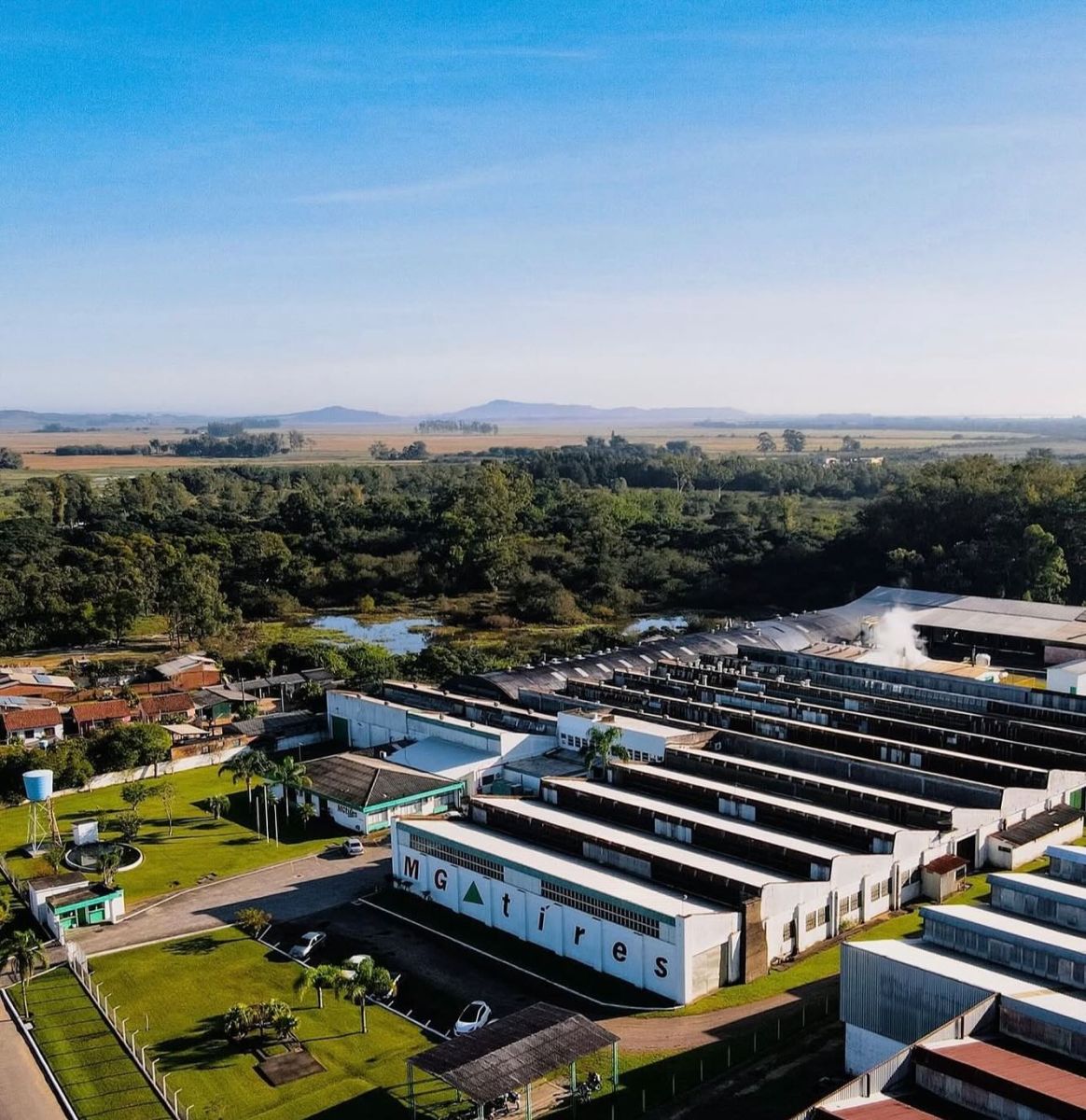
As the question mentioned, the sport evolved a lot in the last years, specially as a business. So, the main difference maybe the fact that as the time passed, more rules were created towards the sport standardization, not only in terms of product development but also in the sporting regulation for each race. However, the demands for performance and durability always existed and will always exist, so MG always had to seek for a constant grow in all aspects, looking for new solutions in technology, modernization of the industrial plant, etc, always aiming for the market satisfaction.
As the question mentioned, the sport evolved a lot in the last years, specially as a business. So, the main difference maybe the fact that as the time passed, more rules were created towards the sport standardization, not only in terms of product development but also in the sporting regulation for each race. However, the demands for performance and durability always existed and will always exist, so MG always had to seek for a constant grow in all aspects, looking for new solutions in technology, modernization of the industrial plant, etc, always aiming for the market satisfaction.
What has been the technical evolution of karting tires from the days of the "Tyre War" era to today? In karting, the choice was made to use synthetic compounds, completely abandoning natural rubber (even as a partial component). What have been the positive consequences of this decision, and how has it impacted the pursuit of performance at the highest levels of karting?
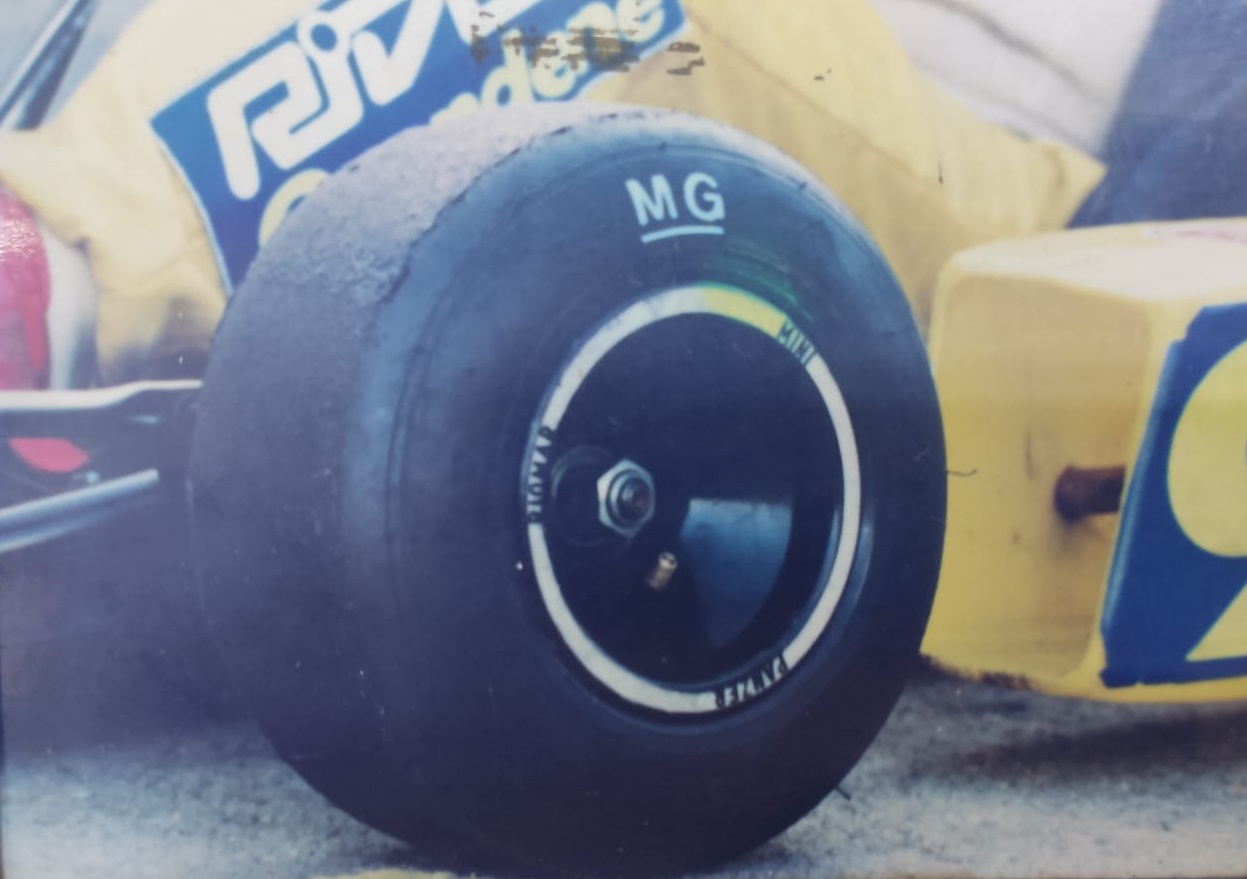
As karting evolved, the number of participants has grown. And with the standardization of rules, one of the biggest demands has always been the increase of durability aligned with tire constancy, seeking the best possible performance levels. With those demands in mind and also with specific and growing countries legislations, while having at the same time individual championship rules, all tires manufacturers had to adapt themselves and develop new solutions.
For MG, the demands in terms of a more sustainable environment also became part of the preoccupations. Our company is compliant with the Stockholm Convention and uses only raw materials with low levels of PAH (Polycyclic aromatic hydrocarbon). Another example is that all the electricity used in our industrial plant is certified from renewable sources. So, as a manufacturer, we must find alternatives in terms of technologies to continue seeking the highest levels of performance while, at the same time, it is applied the lower environmental impact as possible. This is what MG has been doing.
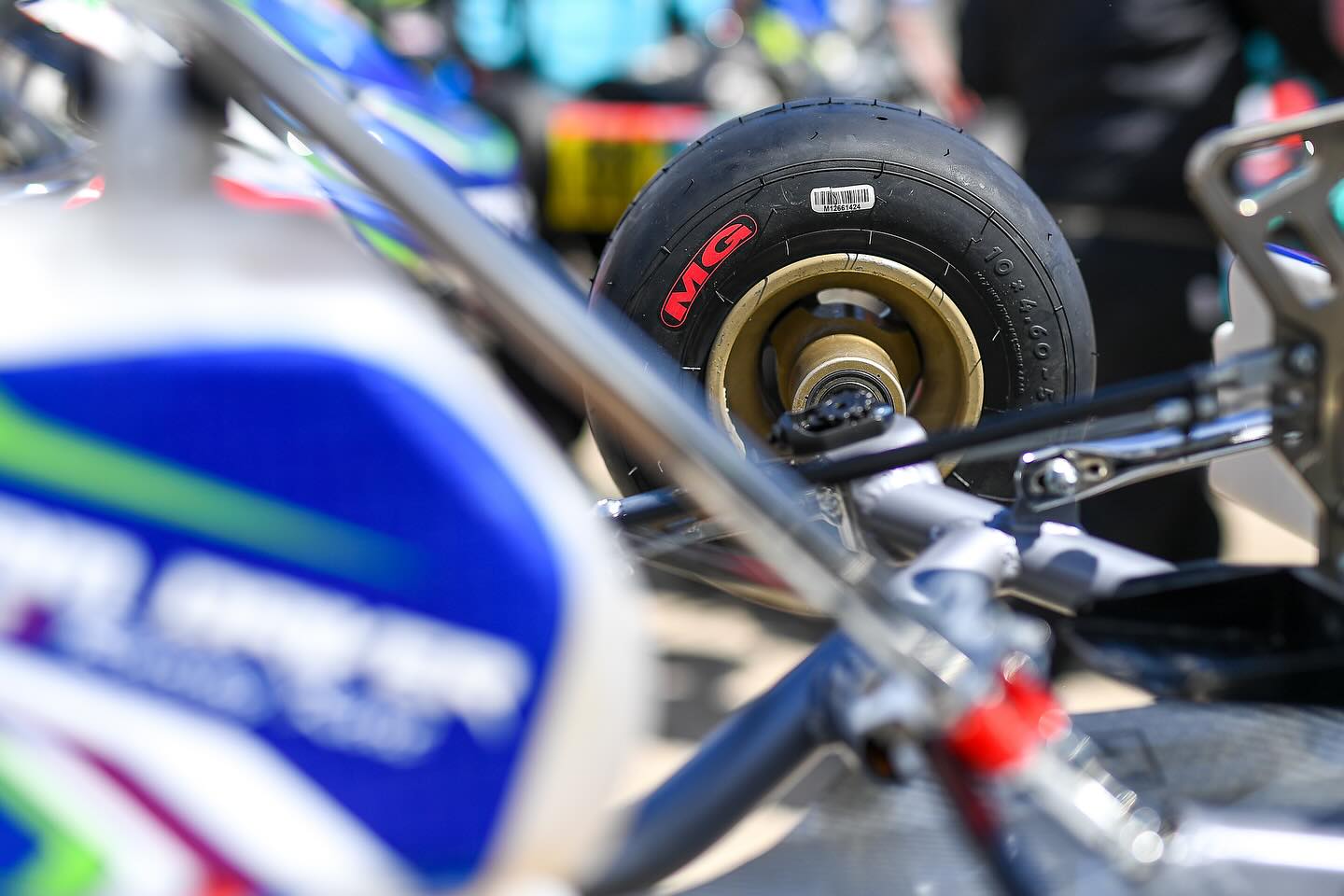
The global karting scene is now largely characterized by single-make trophy series. What are the challenges in meeting the demands that come with this type of partnership (e.g., EVINCO, KOMET)? In which other national championships and racing series is MG present with its tires?
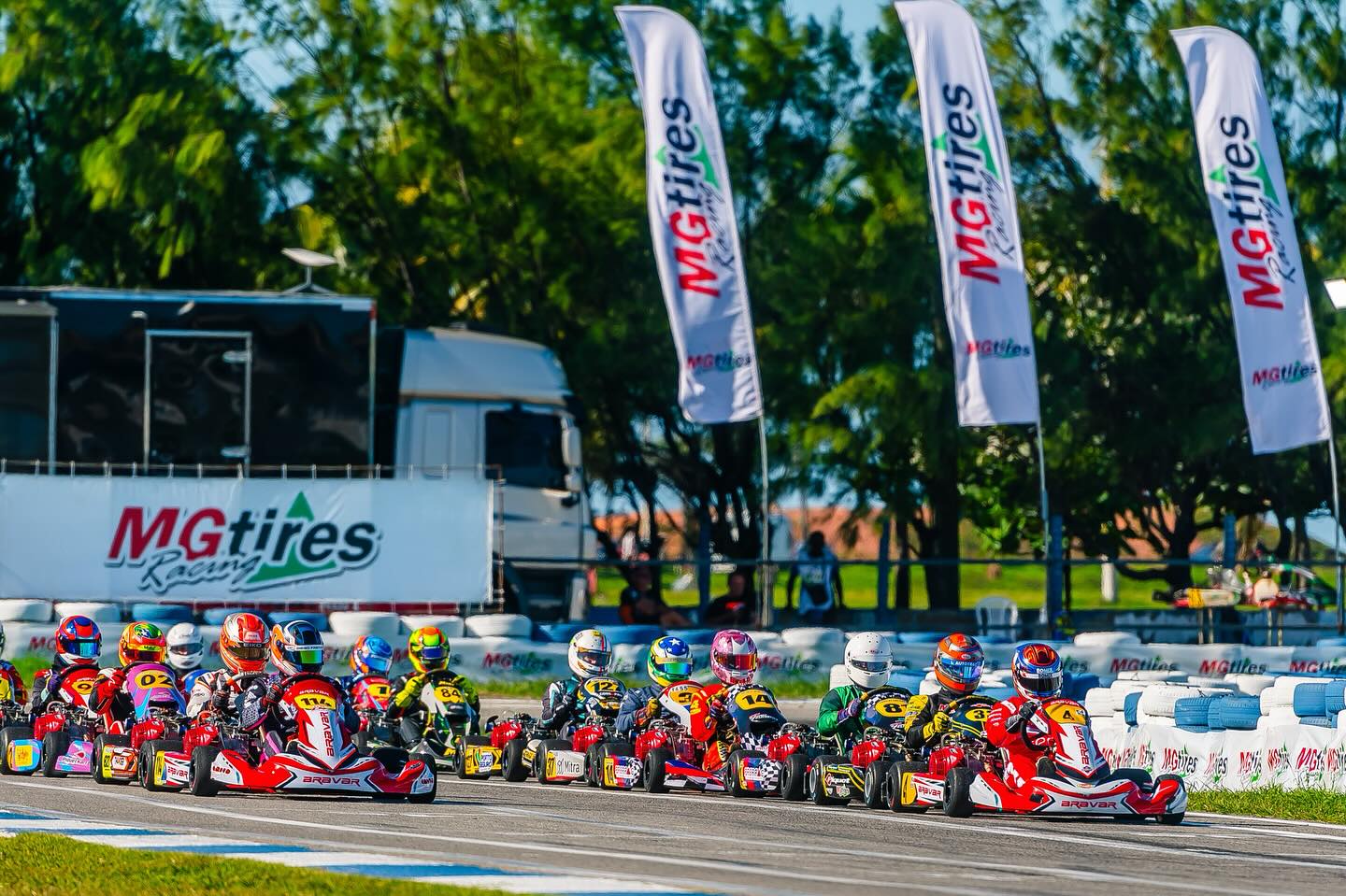
By being a supplier/partner in a monobrand series, there is a great responsibility in terms of constant supplying, not only in the production but also in delivery. The logistics, especially after the Covid-19 pandemic, represent a constant challenge. Sometimes, there are things that happen in the other part of the globe that generate a domino effect that, somehow, impacts the logistics worldwide. Apart from that, the drivers that race in a monobrand event usually do all the season within that championship and, consequently, the demands for a equally provided product are constant. Moreover, the changes that happened throughout time in the market (mentioned in the previous question) ended up being beneficial for the development of tires that are used in the monobrand series. Then, at the end of the day, we cannot afford ourselves to "relax" at any time, regardless if our product is used in a small local club during a weekend or in a large race/championship, because the products they will use are the same, with the same materials and same production methods.
As to the MG presence, we can list as examples: in all South America, Central America, North America (SKUSA, USPKS and Stars Series), Europe with the IAME Series and Italian Championship, South Africa, Asia (specially China) and Oceania, where we are the single official suppliers to KSNZ (New Zealand).
What is MG Tires’ main market today?
Internally, it is part of the company spirit that we have to care equally to all markets, regardless of their tires consumption. If we don't do that, we may be incurring into the error of leaving countries behind to give more attention to others. So, in terms of company view, our preoccupation and acting is with the global market as a whole.