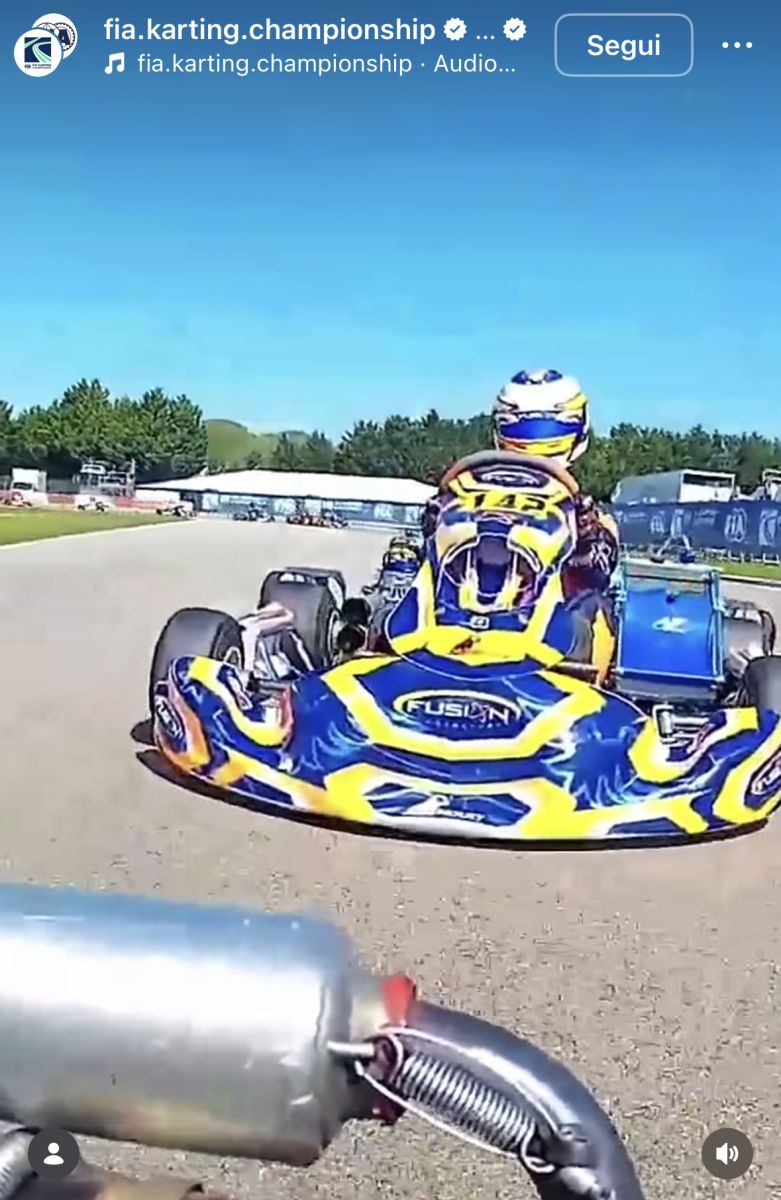
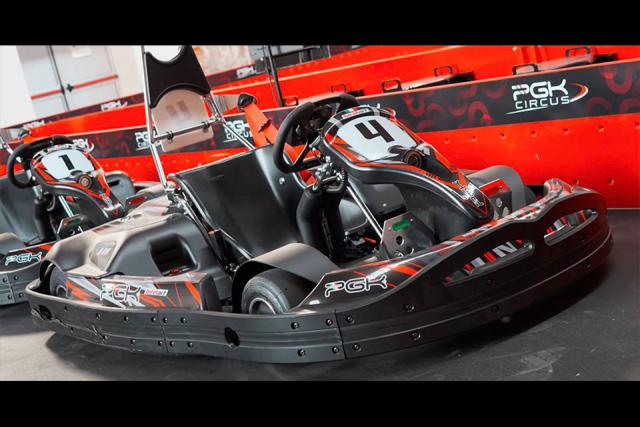
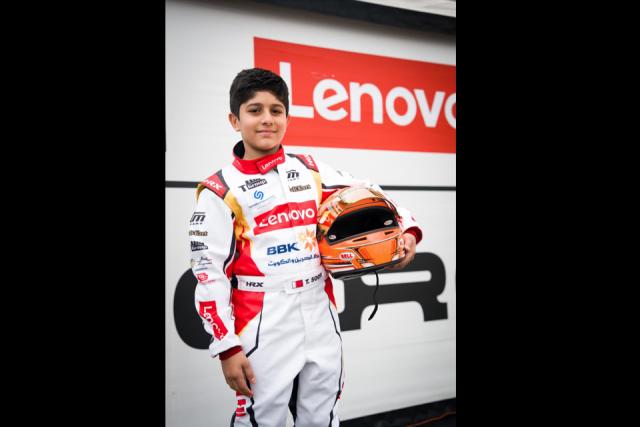
The quickest answer we can give to the question that our readers and followers often ask us after the promoter has asked them to remove the camera from the helmet or kart is “NO”, action cameras cannot be used during the race. The limits imposed no less than by the FIA strictly concern mounting on the helmet – and in this case, an action camera can NEVER be mounted within the scope of an FIA race (or those of national federations that refer to that set of rules, i.e., most races), while it is possible to mount an action camera on the kart via a suitable bracket provided that it is used only in free practice sessions or warm-up.
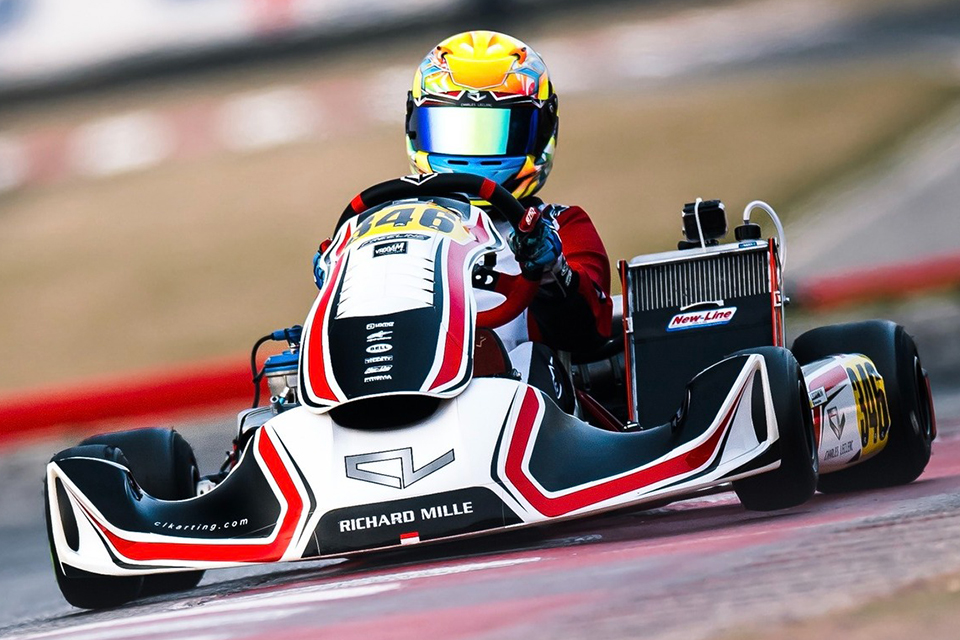
During training and pre-race free practice sessions, action cameras can be very useful for driver coaches to analyze track behavior with the drivers
Within qualifying, heats, and Finals, an action camera cannot be mounted on the vehicle for any reason. The ban on helmet cameras also applies to those mounted inside the helmet, similar to those increasingly advertised especially for the motorcycle market: small, easy to place inside the padding via the many POV mounts available on the market, all officially “illegal” items in the karting world.
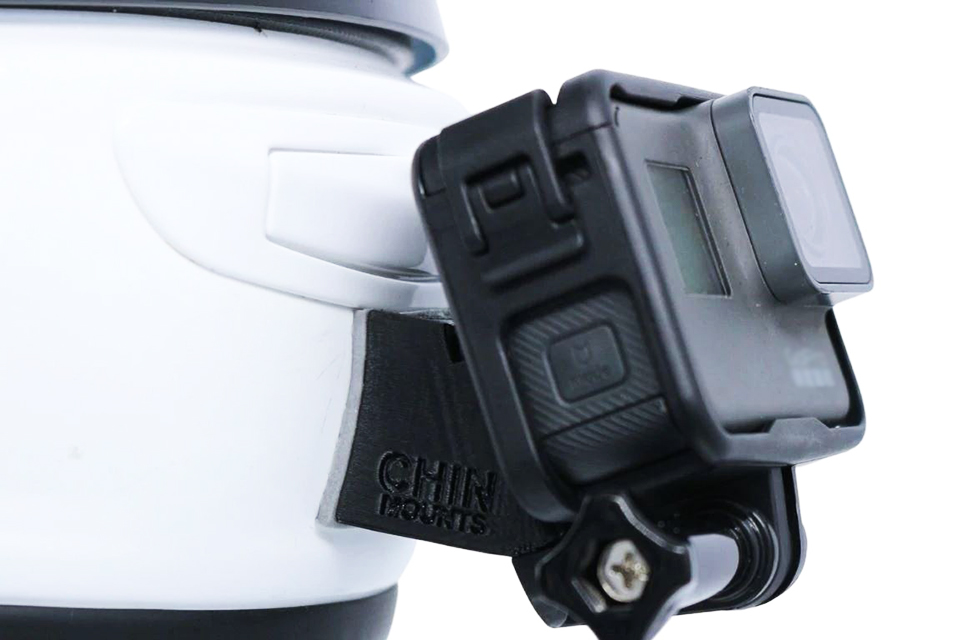
External helmet cameras could objectively constitute an alteration of the helmet's protective characteristics and are banned even in the most free context of the United States. Slightly different is the case for internal ones (also used in F1) which, however, in karting are banned to date, probably due to the lack of a single and homologatable mounting standard
Regarding the many videos circulating online, it should clearly be considered that the bans discussed apply to the FIA race universe and ASNs that recognize its safety criteria. Whether the issue of helmet cameras (plausible, depending on the position) or those mounted on the vehicle via specially designed brackets (less plausible) represents an objective danger remains the classic nitpicking issue, and like many provisions on the topic, it remains debatable, also considering that there was a period when cameras were widely used, before 2022 when the ban became formal.
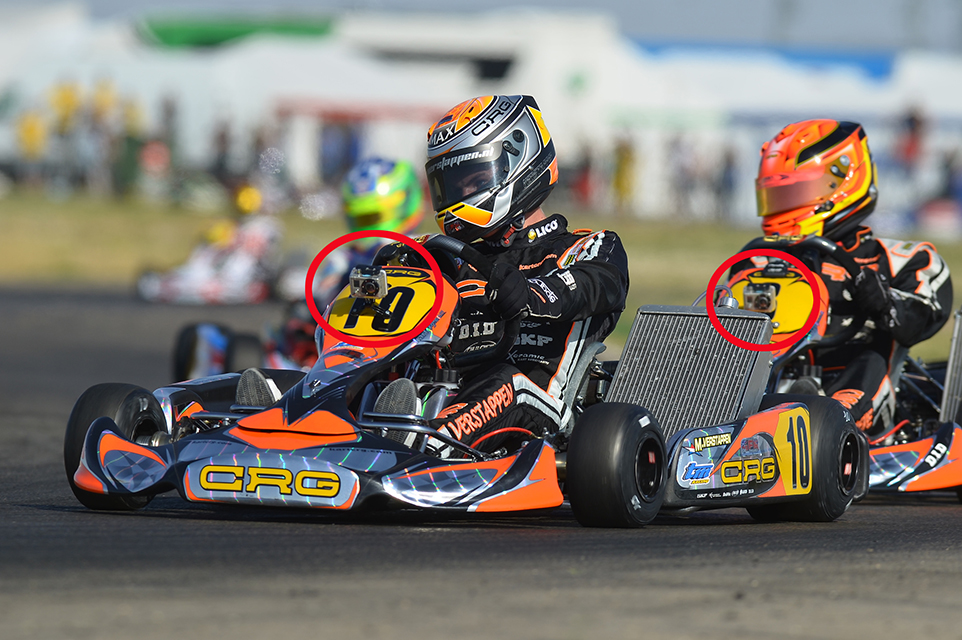
In a not-so-distant past, it was common to see action cameras mounted practically on every kart in the race: a fact that still makes it possible today to watch exciting onboard footage of champions like Max Verstappen
In relation to individual race events with independent promoters who consider the use of action cameras discretionary, the advice is always to check during technical scrutineering for any derogation from the FIA regulations. In the USA, for example, most karting activity – both professional and non-professional – takes place outside the FIA Karting regulatory framework for historical, opportunity, and greater general informality reasons in karting at those latitudes, and therefore camera use is free and much more widespread in series like CKNA or USPKS, as well as the availability on the market of various bracket models. However, the ban on mounting a camera on the helmet remains in force even in the less sanctioned United States.
,
::: UPDATE ROUND 1 Euro FIA Championship - effective APRIL 2026 :::
In derogation from the provisions of the regulations, the FIA has authorized the on-track activities supervisor, as the RGMMC Promoter, to use on-board cameras during all phases of the FIA competitions even Heats, Super Heats and Finals. The purpose is to promote karting through drivers' point-of-view footage broadcast alongside the races and within live streaming sessions. The maximum weight of the cameras (300 gr) will be considered part of the regulatory weight of the selected pilot's kart on which the camera is mounted. Therefore, when you see this type of footage during FIA races, it involves cameras specially authorized and not installed independently by the Team and/or the driver.