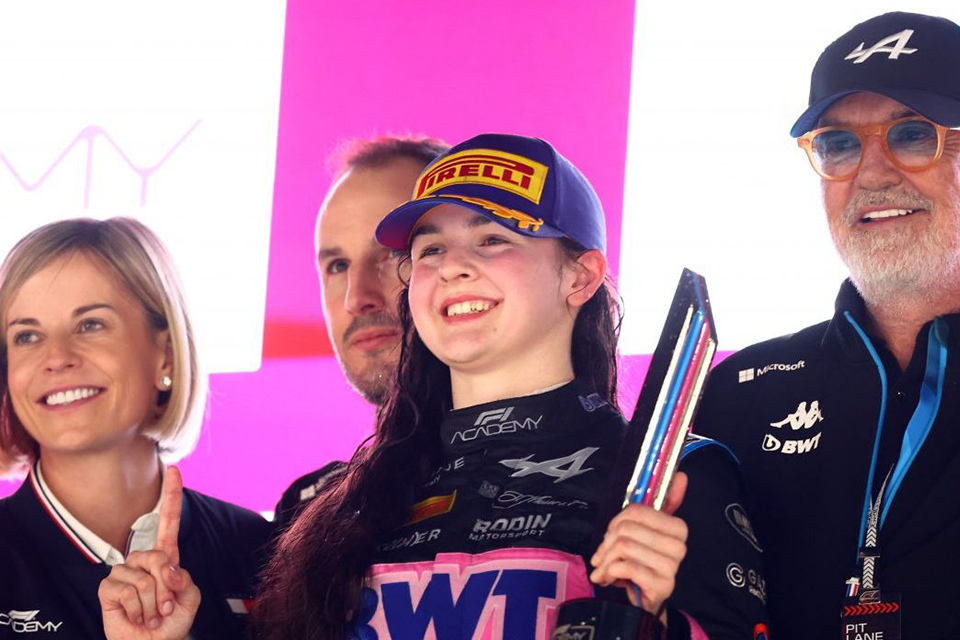
Every year, the question arises: will this girl be the one? Will this driver be "the one"? Because motorsport needs a trailblazer to mark a turning point. Let’s set aside pinkwashing crap and political correctness—there is no mandate for women to be in F1, despite what some might think. A woman shouldn’t be in F1 because it’s “fair” or to satisfy some abstract notion of equality. Let’s elevate the discussion. A woman deserves to be in F1 if she’s earned it. If and when it happens, it won’t be about ticking boxes or taking ceremonial photos for online haters. If a woman makes it to F1, it will be because a team genuinely believes she can win Grands Prix and, why not, even a World Championship—just like any other driver.
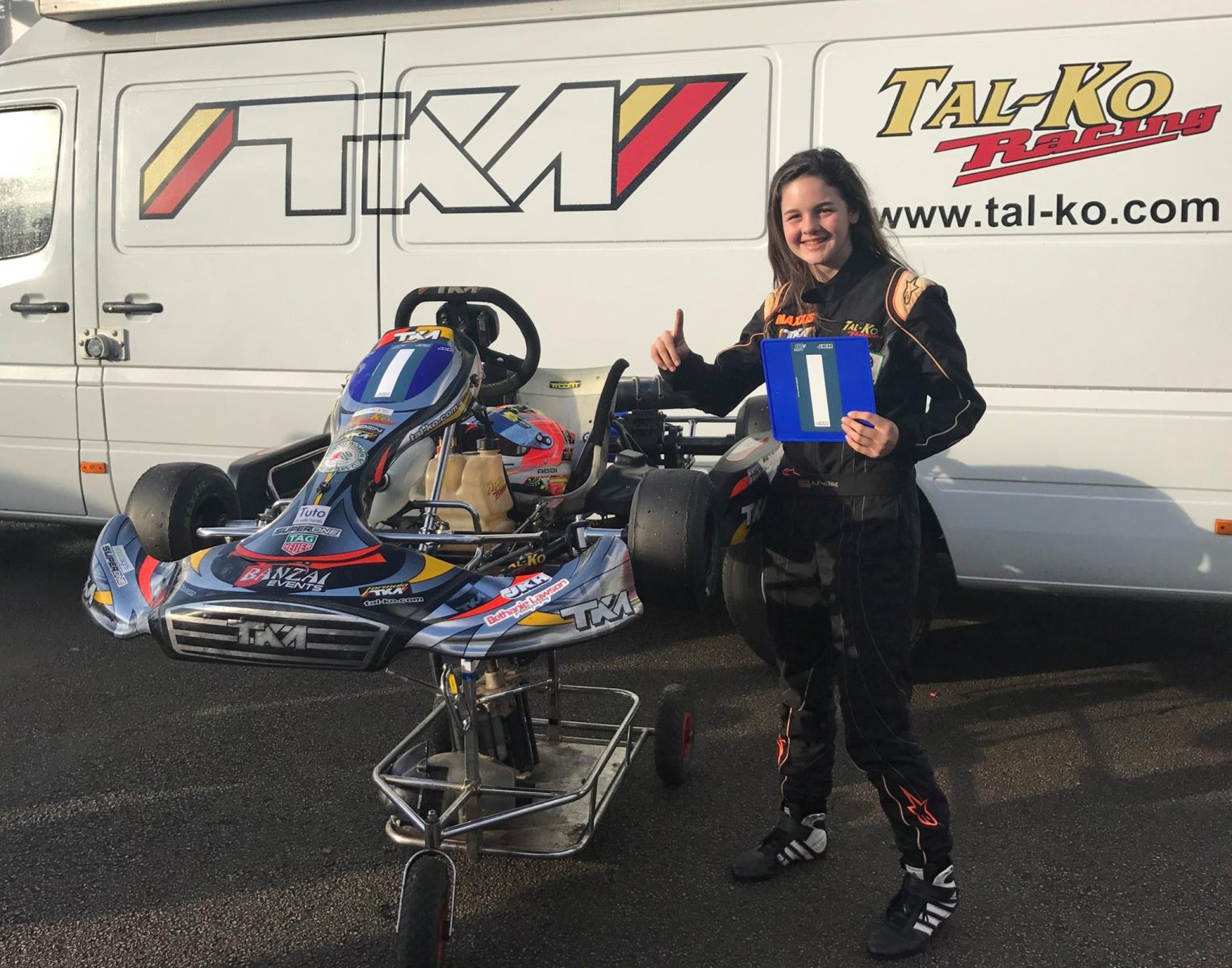
Abbi was a winner in UK karting in the two-stroke TKM category (2017 and 2018), a class that’s highly regarded across the channel
At the top of motorsport, you get there either because you deserve it or because you have lots of money. When it’s just about money without merit, it rarely makes sense, doesn’t last long, and is increasingly evident in F1. When the time comes, it will have to be worth it. Abbi seems like the real deal—just as Marta Garcia and others before her seemed. Abbi has proven herself in grassroots categories, winning in the free range TKM karting series, a class that doesn’t even exist outside the UK. And let’s not forget where she comes from—a country where motorsport is a daily obsession, 364 days a year. On Christmas, the one day they don’t race, they talk about racing.
This year, Abbi already made history as the first woman to win a race in British F4—a traditionally male-dominated series that certainly didn’t roll out the red carpet for her. And she did it at Brands Hatch, no less. Now, having won the F1 Academy, she’s earned her spot in GB3 Formula, where she’ll need to prove herself yet again in an environment that offers no favors. GB3 could be a critical stepping stone.
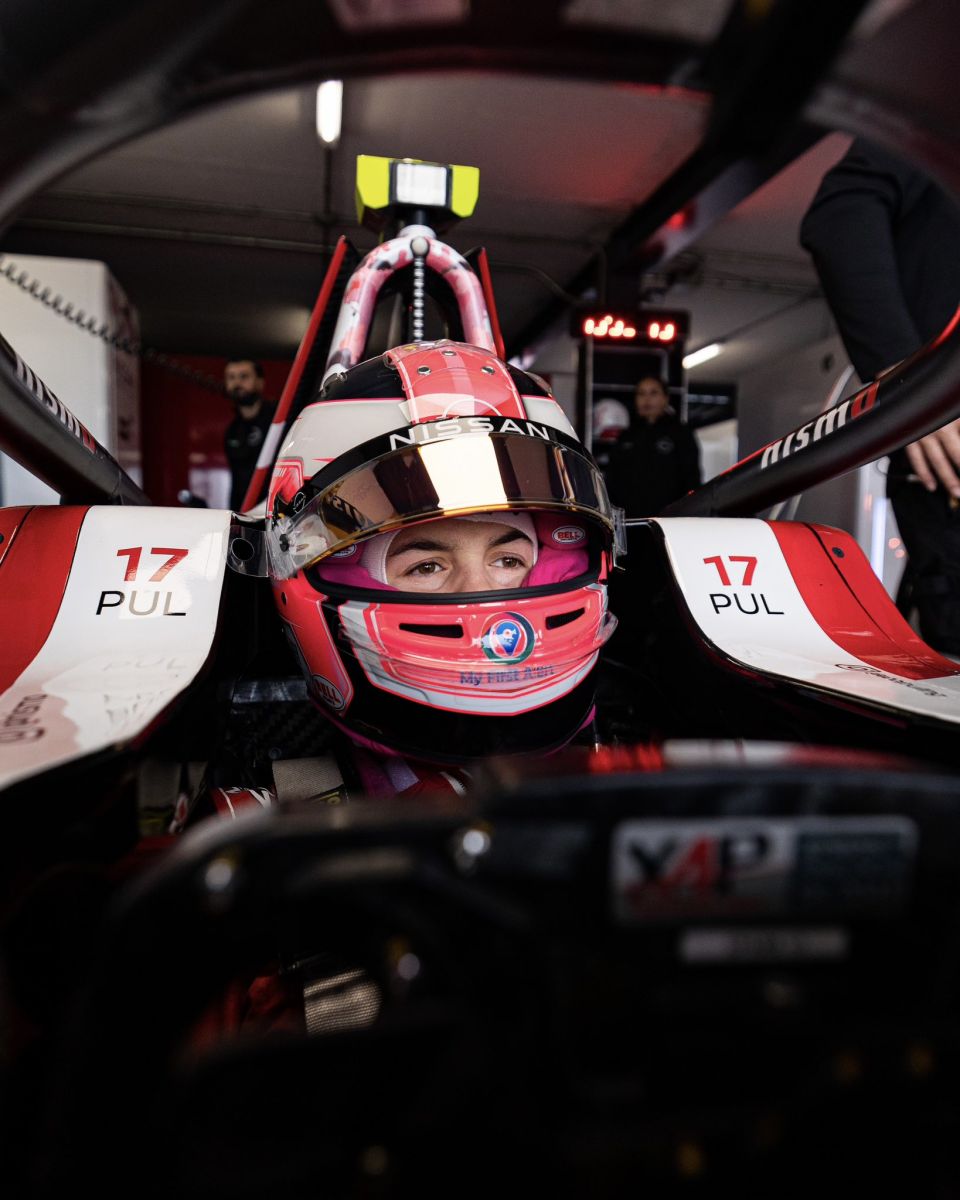
On her debut with Nissan Formula E at Jarama, Pulling was the fastest
Interestingly, F2 lacks power steering—a fact that raises questions about the series’ waning relevance as a feeder for F1. Perhaps F3, with its growing prominence, will become the ideal proving ground for talents bound for F1, where power steering is standard. The rise of rookies with minimal F2 experience making it into F1 only adds to the credibility issues of the series. We’re rooting for Abbi. By next year, we’ll be a quarter into the 21st century, and it would be amazing to see a successful female driver in F1 before 2030—especially someone like Abbi, whose journey so far has been nothing short of remarkable.